Your Wedding Photos Will Look Dated by 2030. Here's How to Make Sure They Don't.
Pull up your parents' wedding album.
Take a real look at it. Not affectionately. Honestly. You can date that album to within two years of when it was shot — the dress, the hair, the print quality, the way the bride's makeup was done, the soft-focus filter the photographer used because that was the technology of the era. The album is a time capsule. Some of that is sweet. Most of it is the reason the album lives in a closet.
The same thing is happening to wedding photos right now. The ones being taken this year are going to look exactly like 2026 in 2034. Mason jars looked like 2014. Edison bulbs and chalkboard signs looked like 2016. The desert-toned dried-pampas arches with the bride in muted ivory linen are going to look like 2024 inside of a decade. The slow-motion vertical "first look" filmed on a gimbal with a peachy-pink film preset is going to look like 2026 in 2032.
A trend feels invisible while you're in it. It is the most legible thing about a photograph ten years later.
Here is the rule. The more your wedding photo looks like the wedding photos of your year, the faster it will date. The more it looks like the people in it, the longer it lasts.
What dates a wedding photo
Three things date wedding photography. Once you know what to look for, you cannot unsee them.
The trend posing. Every era has its pose. The 2010s gave us the run-and-laugh-on-a-backlit-hill, the dip-and-kiss, the bride-looking-up-at-her-partner-with-fake-emotional-laugh, the groomsmen flexing in matching sunglasses. Each of those is going to look exactly as silly in 2035 as a 1985 mall-glamour pose looks today. The photo is not of a moment — it's of a directive the photographer gave both of you.
The filter of the year. Right now in 2026, the dominant wedding edit is a desaturated, peachy, slightly-faded "film emulation" preset. In 2032 it will look like 2026 the way a 2014 wedding photo with heavy orange-and-teal looks like 2014. The edit is the single most aggressive trend marker in any photo, and most couples don't ask their photographer one question about it.
The styling of the year. Mason jars, burlap, dried pampas, Edison bulbs, the photo wall with the couple's last name in laser-cut wood. Trend styling becomes trend evidence the moment the trend cycles. There is nothing wrong with liking these things. There is something wrong with letting them be the only thing the photograph can remember.
What doesn't date
Photos that age well from any decade share four traits.
They are about a moment, not a setup. The grandmother holding the bride's hand and crying. The groom seeing his partner for the first time and laughing because he doesn't know what else to do with his face. The flower girl asleep on a folding chair with her shoes off. These photos look the same in 1972, 1995, and 2026 because what is happening in them is older than every trend.
The subjects look like themselves. The bride wearing her real hair, not the version of her hair she only wears for special occasions. The groom in his actual posture, not the posture the photographer told him to stand in. The wedding party laughing at something real, not posing in a triangle with their bouquets held above their heads.
Black and white. A black-and-white photo cannot be dated by an edit trend. It can only be dated by the people and the styling. This is why the strongest wedding photos from any era are usually the ones with the color stripped out. The photo has to earn its keep on composition, light, and moment — which is what timeless photography has always done.
Natural light, used cleanly. Heavily filtered, gelled, gimmicky lighting locks a photo to its era. The window light through the bridal suite. The late-afternoon sun in the reception field. The candlelight at dinner. Those will look the same in fifty years as they did the day they were shot.
([I wrote a related piece about permanence and family portraits here.](/your-camera-roll-will-outlive-you) Same principle, different subject.)
## What this means for who you hire
If you want wedding photos that won't look dated, you have to hire the photographer who isn't chasing the year.
Which means asking different questions during the consultation.
Ask to see work from three or four years ago, not just last season. If the older work looks dated and the newer work looks current, that photographer is following trends. You want a photographer whose 2021 work still looks like work from now.
Ask how much black-and-white they shoot. Photographers who shoot exclusively color are usually leaning on edit-trends to do the heavy lifting. The ones who deliver real black-and-white work are doing photography that won't expire.
Ask what they will not do. Anyone with a long list — what kinds of posing they refuse to direct, what trends they will not shoot, what styles they won't bend to — is a photographer with a point of view, not a Pinterest board. That list is the part of the consultation that tells you the most about the work.
Ask how they edit. Listen for whether they describe an aesthetic or a current aesthetic. The first is signal. The second is the trap.
The photographer chasing the trend will tell you about what's "in" right now. The photographer making timeless work will tell you about light, moment, and what they refuse to do.
On intimate weddings, elopements, and where you get married
Smaller weddings age better than big ones. Not because they are more virtuous. Because there is less manufactured staging to date the photo. A picture of two people at the edge of a Colorado meadow, signing a marriage certificate on a flat rock with one witness and a photographer — that photo cannot be dated by mason-jar centerpieces, because there are no mason-jar centerpieces. The styling fell away. What's left is the place, the light, and the people.
This is the quiet reason the destination and elopement market has produced the most timeless wedding photography of the last decade. Fewer trend artifacts. More room for the actual moment.
It is also why the answer to "should we hire a photographer local to the destination, or someone we know who travels" is almost always: hire the one whose work you trust, and fly them in. Photographers who only shoot local-to-the-venue know the venue. They do not necessarily know you. The photo doesn't need someone who knows the venue. It needs someone who knows what to do when something real happens in front of them.
## What to take from this
The wedding photo you'll still want to look at when your kids are grown is not the one that looked the most like 2026 in 2026.
It's the one that looked the most like you.
Hire for permanence. Not for the algorithm.
---
I am a photographer based in Ohio, available for intimate weddings and destination elopements anywhere you're getting married. Documentary-leaning. Heavy on real moments. Light on trend.
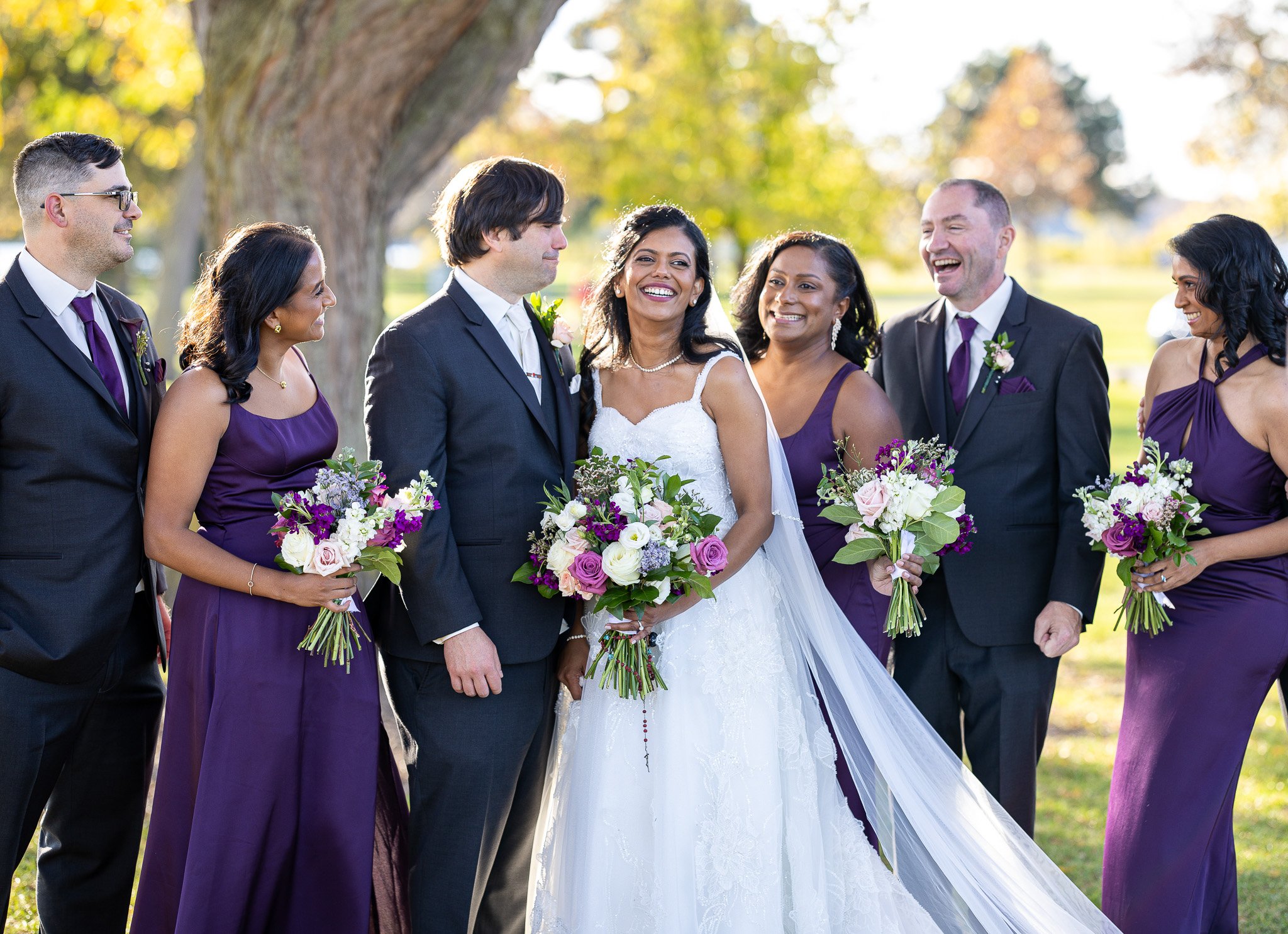
Candid Wedding Photos: Why the Real Ones Are Never Posed
The best candid wedding photos are never the ones where everyone was told to stand still and smile. They're caught, not posed — and they're the ones you'll keep going back to twenty years from now. Here's why they matter and how to make sure you get them on your wedding day.
The best candid wedding photos aren't planned — they're caught. And twenty years from now, they're the ones you press into your parents' hands.
Most couples underestimate how much of their own wedding day they won't actually see. You're in it — moving from one moment to the next, managing nerves, stealing time with the people you love. The candid photos fill in everything you missed. They're the proof that the day happened the way you felt it did.
What "Candid" Actually Means
Candid doesn't mean blurry, unplanned, or accidental. It means real. A skilled photographer anticipates the room, reads where a moment is trending before it arrives, and is already in position when it does. The camera should be invisible by the time anything worth photographing actually happens.
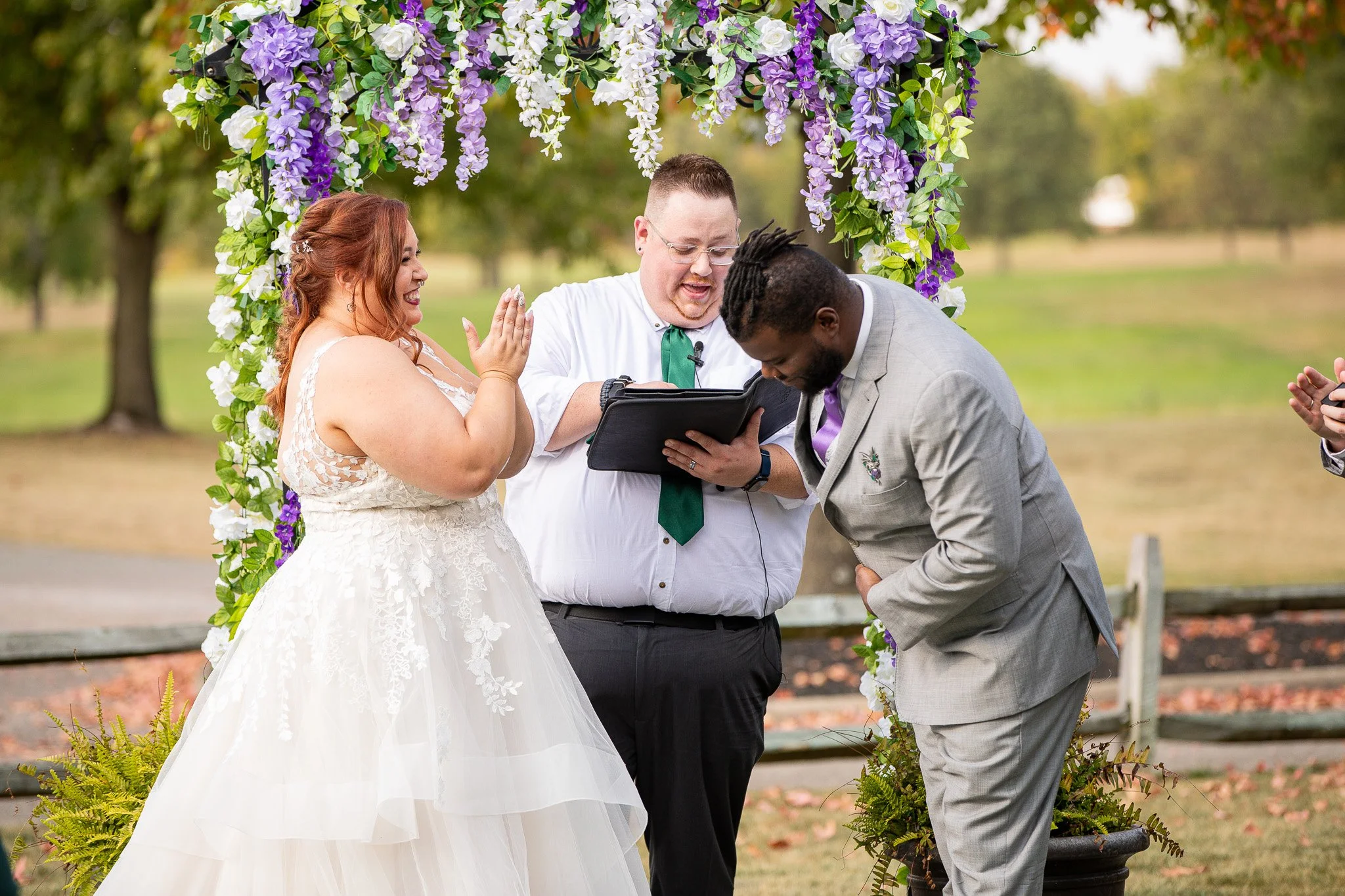
The difference between a candid photo and a lucky snapshot is intention. A good photographer studies the room the way you study a face — tracking where the energy is, where the tension is building, where someone is about to laugh or lose it or look across the room at the person they love. None of that is accidental. It's a very specific kind of attention, and it takes practice to develop.
The Moments Posed Wedding Photos Can't Give You
It's the grandmother in the third row pressing her fingers to her mouth before she realizes she's crying. The flower girl who abandoned her basket somewhere between the ceremony doors and the altar because there was a dog across the aisle worth investigating. The groom mouthing something across the room at his bride — private, fast, not for the camera. The best man who held it together all day and then didn't, exactly when no one expected it. These are the ones you press into your parents' hands twenty years later. The ones that need no caption.
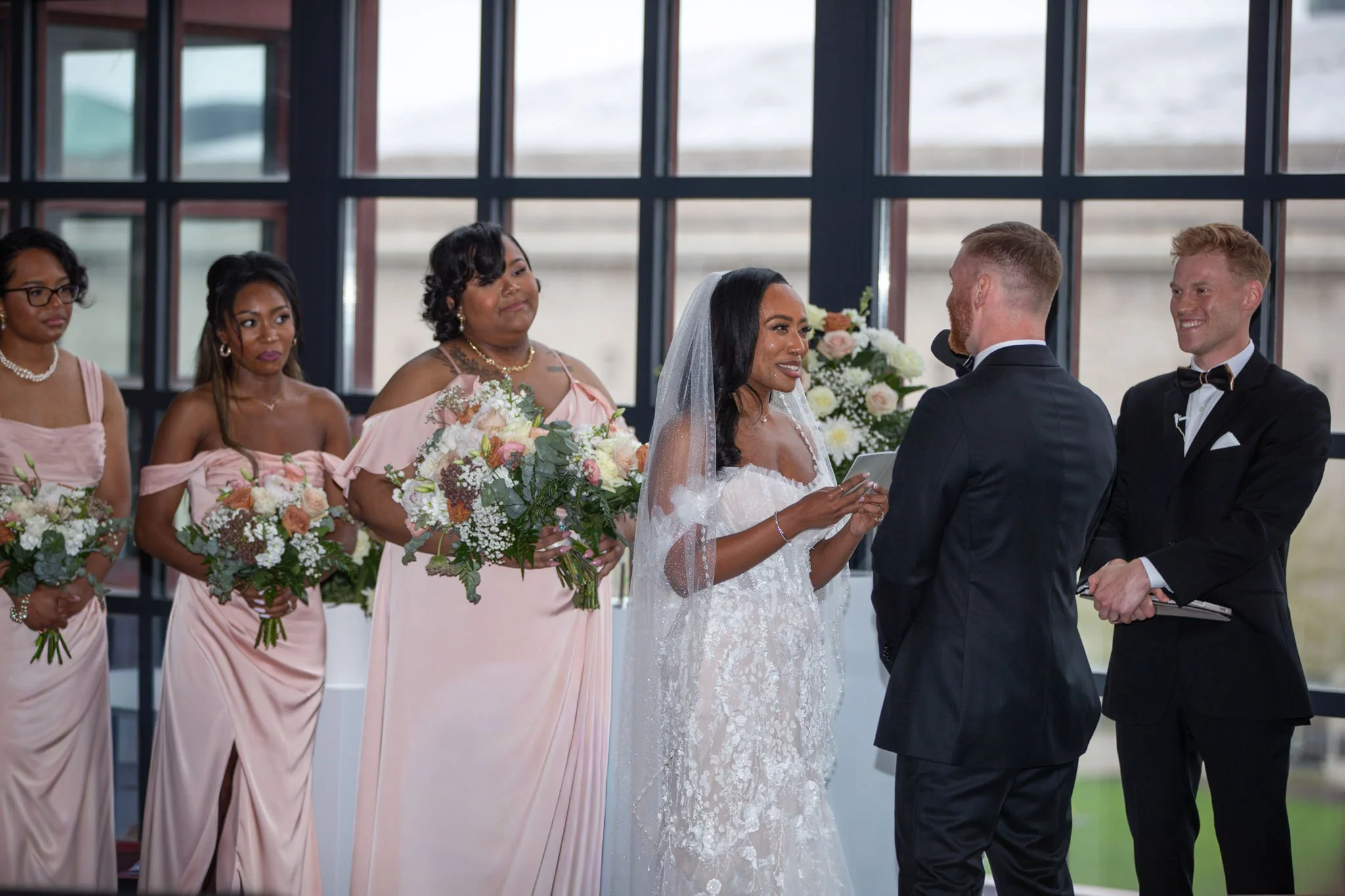
Posed portraits exist for a reason. They make sure everyone is in the same frame, dressed and accounted for, documented. They look beautiful on walls. But a photo that makes you stop scrolling and stare for a few fleeting moments — that's not posed. That's caught. And you can feel the difference. So can everyone else who looks at it.
The crime isn't polish. Some of the most beautiful wedding images are technically flawless and emotionally staged — and you can feel that too. The crime is manufacturing something to look like what it isn't. A moment either happened or it didn't. The best candid wedding photos don't lie about which one is true.
How to Get the Best Candid Wedding Photos
1. Hire a photographer who disappears.
When guests forget the camera exists, they stop performing for it. That's when the real moments surface. The best candid photographers blend into the room — not directing, not calling attention to themselves, not reminding everyone to smile. Ask to see full wedding galleries, not just highlight shots. Highlight reels are curated. Full galleries show you how someone actually works a room.
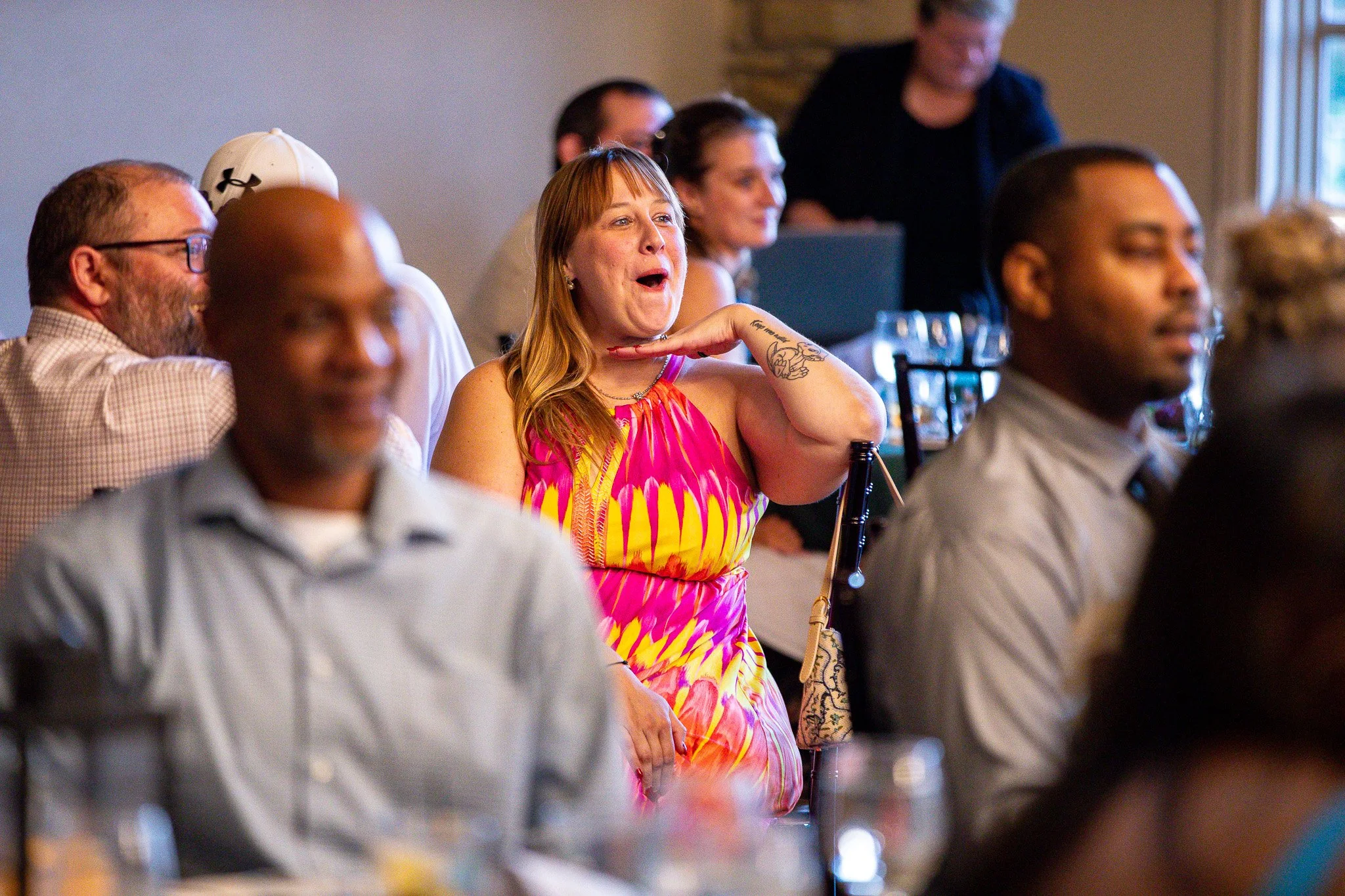
2. Build in unstructured time.
Not everything needs a slot on the timeline. Some of the most honest images live in the pockets where nothing is technically happening at all. Give yourself and your guests room to just exist for a few minutes — before the reception kicks off, between the ceremony and cocktail hour, at the end of the night when everyone has loosened up and stopped thinking about how they look.
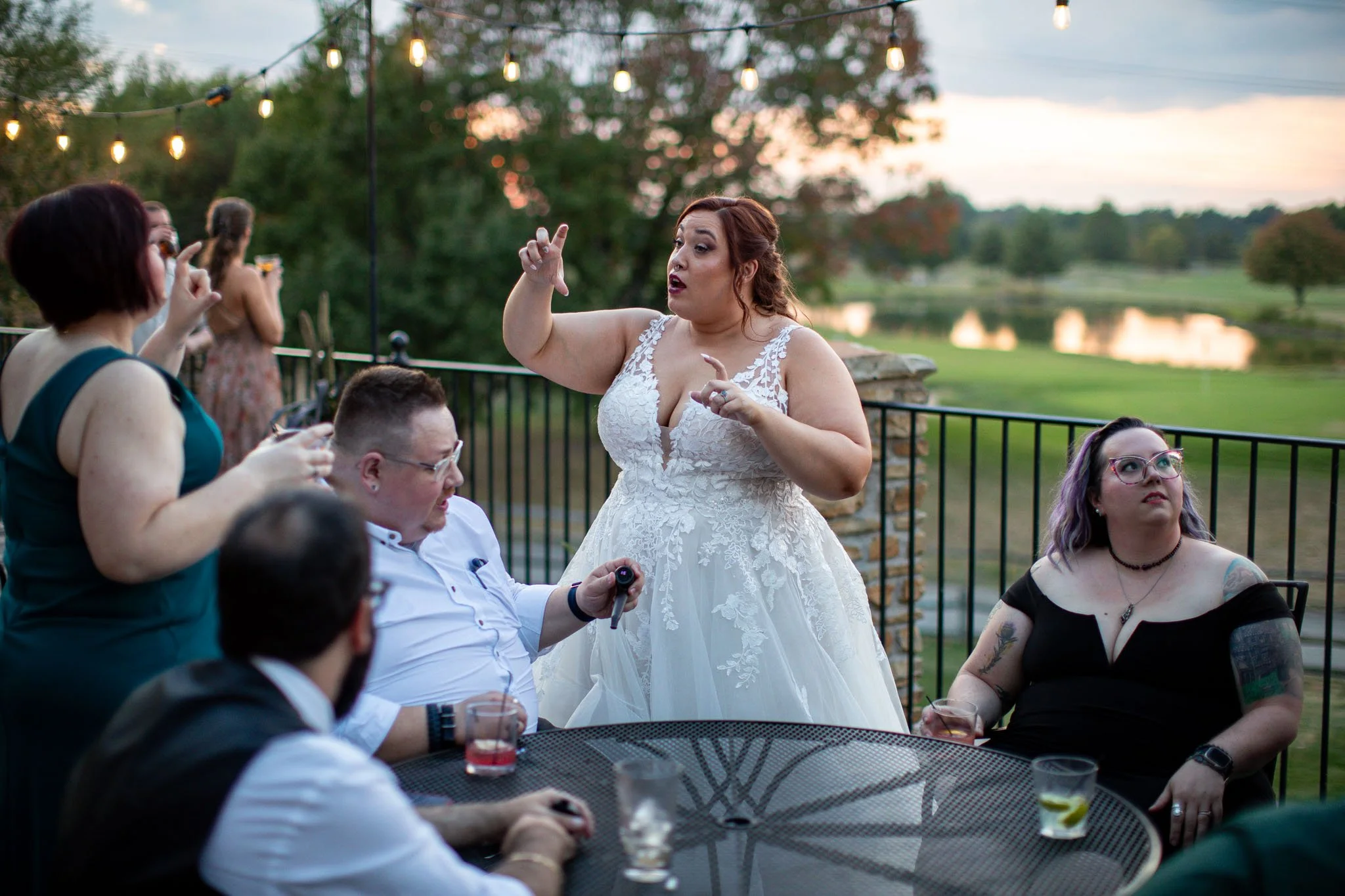
3. Brief your wedding party.
Ask them not to immediately turn and pose every time they spot a lens. It sounds small. It changes everything. The instinct to perform for a camera is deeply conditioned — a quiet word beforehand goes further than any instruction in the moment. Same goes for immediate family. They tend to be the biggest offenders.
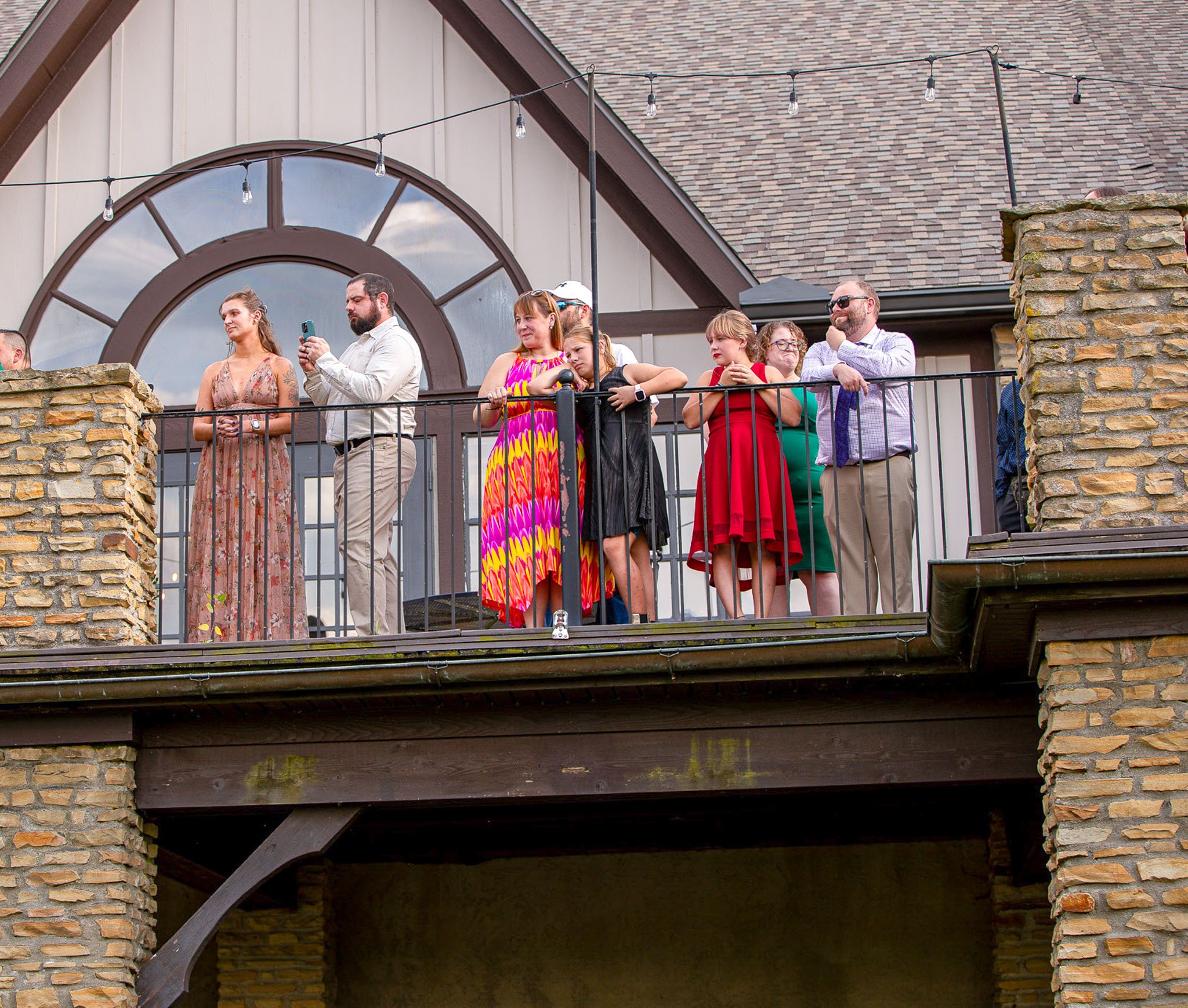
4. Trust the person you hired.
You researched them. You liked their work. You booked them for a reason. The shot you didn't ask for is often the one you'll frame. Let them roam without a checklist.
The Balance: Candid + Portrait
The strongest wedding albums carry both. Portraits give you the images you'll share — the ones that look stunning on walls and in frames. Candid wedding photos give you the story — the ones that make you laugh and reach for someone's arm when you flip through them.
Your posed photos are what the day looked like. Your candid photos are what the day felt like.
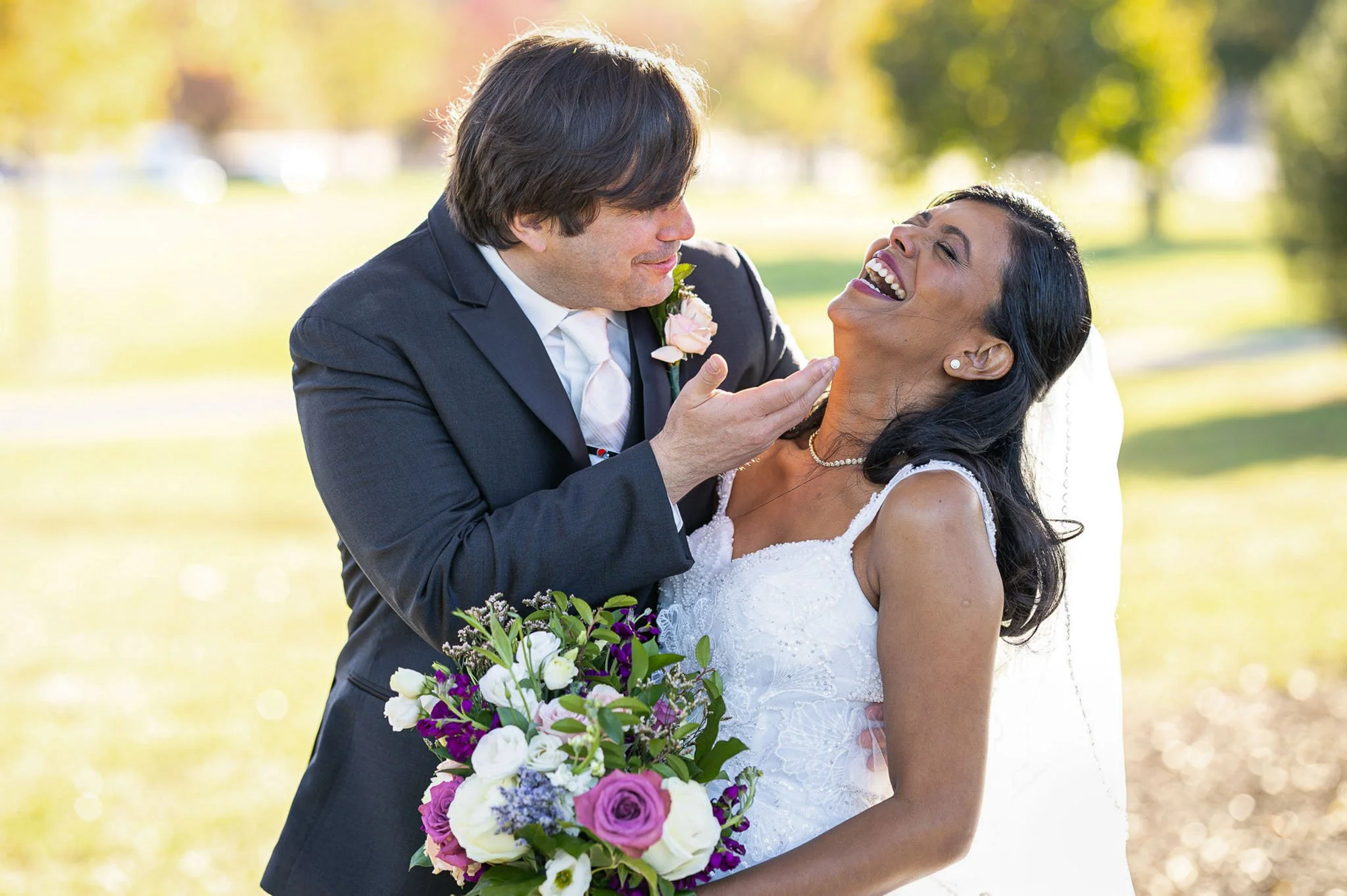
Neither one is more important. Both are telling a different part of the same story. A wedding album that has only one is missing half of what actually happened.
You shouldn't have to choose between beautiful and real. The right photographer gives you both — and knows the difference between the two well enough to chase them separately.